The ideal sports massage schedule can keep training on track, speed healing, and lower injury risk. The incorrect schedule lose time and leaves you aching at the start line. Frequency is not a one-size template. It depends upon training load, tissue tolerance, objectives, and where you remain in your season. After sixteen years dealing with runners, lifters, swimmers, bicyclists, and the silently competitive weekend warrior, I have https://www.restorativemassages.com/ actually discovered to check out the calendar and the body at the very same time. This guide distills those patterns into useful recommendations you can actually use.
What sports massage does, and what it does n'thtmlplcehlder 4end. Sports massage therapy rests on a spectrum from unwinding Swedish work to scientific bodywork. It mixes methods like deep tissue work, myofascial release, trigger point treatment, helped stretching, and rhythmic compression. The objective is to improve tissue quality and joint motion, minimize perceived soreness, and help the nervous system drop into a more effective healing state. A good massage therapist also tracks patterns: recurring tight calves throughout hill weeks, a left hip that constantly guards during taper, or grip tiredness in a rower mid-season. Massage does not change strength work, mobility training, or a sensible strategy. It does not cure tendinopathy or erase a poor shoe choice. It can match treatment for injuries, but protocol-driven rehab still leads. When someone expects magic hands to fix overuse while they keep ramping mileage by 20 percent weekly, the body presses back. Consider sports massage as a multiplier for excellent practices, not a replacement for them. The variables that set your ideal cadence
Three elements decide how typically you should get a sports massage: your training phase, your tissues, and your tolerance for intensity.
Training phase sets the standard. Heavy build weeks develop more microtrauma and metabolic waste. Tapers, by contrast, have to do with staying sharp while letting tissue cool down. Post-event windows have their own rhythm, depending on whether you raced a 5K or an ultra.
Tissues tell the story. Some athletes have springy, compliant muscle and fascia that recuperate quickly. Others run "stiff however strong," which is fantastic for economy however can make calves and hamstrings irritated. Collagen-dominant, high-tone bodies typically prosper on more frequent, much shorter sessions that keep sliding surfaces free.
Tolerance matters because sports massage can vary from soothing to intense. Deep, targeted work assists change stubborn patterns, yet done too near to a key session it can leave you heavy-legged. If you bruise quickly or carry tiredness, select gentler sessions more often instead of one brave mash.
General frequency guidelines by professional athlete type
I use these varieties as a starting point, then change based upon action and calendar.
- Recreational professional athletes training 3 to 4 days a week: every 3 to 4 weeks for maintenance, plus an extra session the week after a race or after a spike in volume. Competitive age-groupers training 5 to 6 days a week: every 2 to 3 weeks in base, weekly or every 10 days during peak develop, and one light session in taper. High-volume endurance professional athletes and field-sport professional athletes in season: weekly as a default, moving to twice weekly in overloaded schedules where travel, games, and practice stack up. Strength and power athletes throughout heavy cycles: every 2 to 3 weeks, plus targeted area work after max-effort blocks, and a lighter session within 5 to 7 days of competition.
These ranges only stick if they respect the everyday strategy. Healing from a 22-mile long term looks different than healing from 10 by 400 on the track, even though both are "hard." The closer a massage lands to a tough session, the lighter it should be.
Building your schedule around the training week
Timing matters as much as frequency. I prepare sessions in relation to essential exercises and races to prevent undermining performance.
For endurance athletes, midweek sessions on simple or rest days usually work best. If your long run falls on Sunday, a Tuesday or Wednesday consultation captures postponed pain as it peaks, decreases stiffness before the next quality exercise, and avoids heavy legs on Thursday intervals. If you need to schedule the day before speed work, keep it light and circulatory, with more concentrate on feet, hips, and mild range of movement than on deep, lengthy adhesions.
For lifters peaking for a meet, arrange much deeper work 48 to 72 hours after the heaviest session of the week. Prevent aggressive work in the 72 hours before maximal efforts. Throughout taper, switch to much shorter, lighter sessions focused on keeping muscle pliability and joint move without provoking soreness.
Team sport athletes face a various puzzle. Travel, video games, and practices compress the week. In-season, I prefer quick, targeted 30 to 45 minute check-ins 2 times a week over a single 90 minute deep dive. Quick sessions resolve specific hotspots and keep the nerve system calm without adding healing cost.
Pre-event and post-event strategies
Before an event, the objective is to feel light, springy, and symmetrical. Over the years I have seen more races ruined by excessively deep pre-event work than by too little. Keep the following pattern:
- 5 to 10 days out: if you need one last thorough session, do it here. Clear significant limitations, tidy hip rotation, address persistent calves. You ought to feel much better 24 hours later on, not worse. 2 to 3 days out: short, light tune-up. Believe circulation, length through the anterior chain from hip flexors to quads, mild calf flushing, foot articulation, and T-spine movement. Leave chronic trigger points for another time. Race morning: skip the table. Use a brief dynamic warm-up, light self-massage with a ball, and strides.
After an event, timing depends on damage and the type of race. After a half marathon or complete marathon, wait 48 to 72 hours before deep work. Go prematurely and you chase after an inflammatory response that needs to run its course. Light flushing the day after is fine if it feels excellent, however hold back on strong pressure up until your legs lose that "stairs feel like a mountain" feeling. For short events like a 5K or track satisfy, a mild session within 24 to 2 days can help clear tightness and restore hip rotation.
Strength professional athletes who have simply maxed out benefit from easy work 24 to 48 hours post-comp, with progressive depth over the next week. Powerlifters typically reveal spine erector tightness and adductor limitations after heavy squats and pulls. Bring back hip adduction and internal rotation initially. Save the tough digging into pecs and lats until DOMS eases.
How deep ought to the work be, and when
Depth and frequency feed each other. The much deeper and more targeted the session, the longer you need before the next one. In base training, I often alternate an extensive session addressing global patterns with a much shorter "linker" session 10 to 14 days later on. The deep session deals with root issues, while the linker keeps gains accessible in movement.
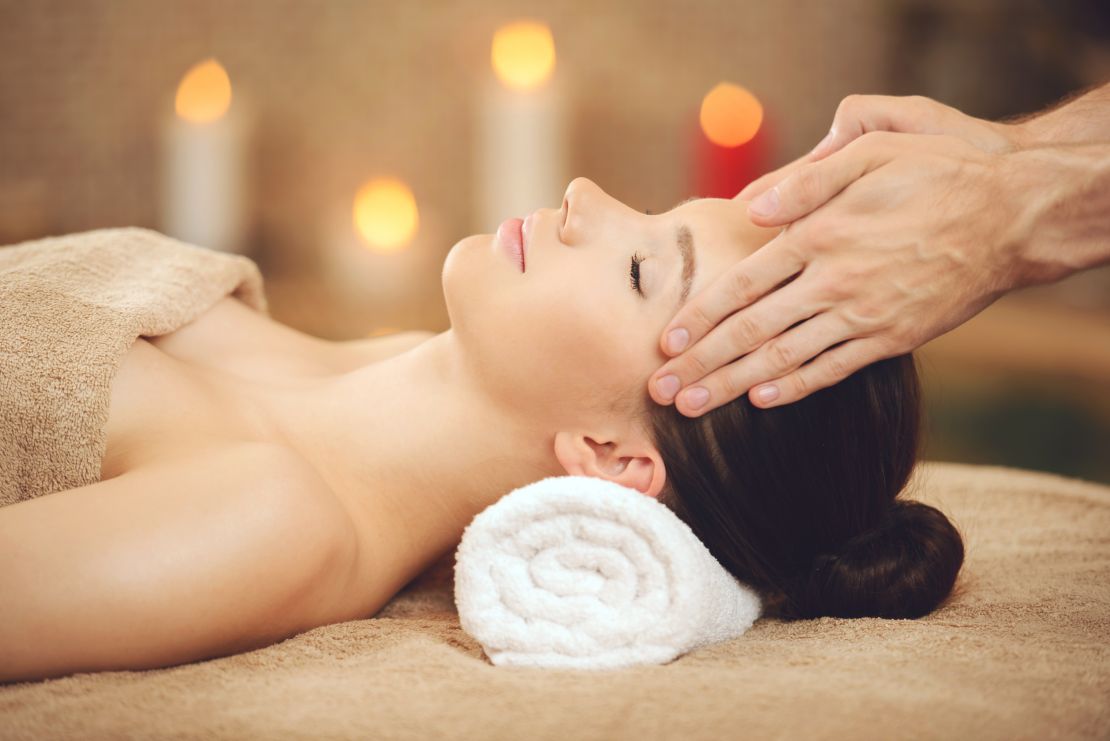
There is likewise a distinction between high-pressure, low-velocity work that sinks into tissue, and moderate-pressure, higher-velocity work that stimulates blood circulation and neural downregulation. Before difficult efforts, I err on the side of moderate pressure, much faster tempo. After heavy blocks or during deloads, I decrease and sink in.
If you complete a massage and feel eliminated for 2 days, the timing or depth was off. If you feel enjoyable heaviness for a few hours and then a sense of freedom in your stride or lift the next day, the dosage was right.
Special considerations for common sports
Runners live and pass away by lower limb economy. That implies calves, peroneals, plantar fascia, hamstrings, and the hip rotators get consistent attention. I expect loss of ankle dorsiflexion and huge toe extension, both of which slip up in peak weeks. Every 10 days in develop phases works for most marathoners, with lighter pre-race work and a space after race day before going back to depth.
Cyclists bring forward-chain tightness. Hip flexors, TFL, quads, and thoracolumbar fascia bring the load. Gentle rib mobility typically assists more than another minute invested in the quads, since breathing mechanics influence recovery. Weekly sessions during heavy blocks of climbing up or big gear work keep knee tracking clean.
Swimmers build up stiffness through the shoulders, neck, and upper back. Bring back scapular slide with targeted work to subscapularis, teres major, and pec small, then address thoracic rotation. Twice-monthly is enough for many, with extra attention during taper to avoid shoulder irritability.
Field sport athletes, from soccer to rugby, take contact and cut consistently. Adductors, hip flexors, calves, and groin lines get strained. Two brief weekly sessions beat one long one, because play loads alter day to day and it assists to nudge the system frequently.
Strength professional athletes need coordinated force transfer. Lats, obliques, glutes, hip rotators, and adductors form the engine room. During hypertrophy phases, swelling makes deep pressure uneasy. Switch to broad, moving, moderate-pressure work that appreciates inflammation. During neural peaking, shorten visits and concentrate on joint prep: hip internal rotation, ankle dorsiflexion, T-spine extension.
Managing injuries and red flags
Sports massage supports, however does not lead, when injury shows up. If you have acute pain that localizes to a tendon, abrupt swelling, loss of strength, or night discomfort that wakes you, talk with a doctor very first. For tendinopathy, the evidence supports progressive loading as the primary treatment. Massage can decrease tone in nearby tissues, improve convenience, and help you endure packing much better, but it will not redesign the tendon alone.
For low back flare-ups without red flags like feeling numb, bowel or bladder changes, or progressive weak point, gentle work to hips and thoracic spine frequently eases securing. Set frequency by symptoms: brief sessions every 5 to 7 days throughout the acute stage, then extend periods as you improve.
Post-acute muscle stress require respect. Grade 1 pressures may endure light, pain-free operate in 3 to 5 days. Grades 2 and 3 need clearance and a structured return strategy. Aggressive cross-fiber friction on a recovery muscle tummy prematurely can set you back. Coordinate with your rehab plan.
Budget, time, and how to make fewer gos to count more
Not everyone can or ought to see a massage therapist weekly, even if training load suggests it. When budgets or schedules pinch, I build a hybrid approach: targeted sessions less often, plus a simple home routine.
A well-designed 10 minute self-care strategy daily does more than a weekly 60 minute session that battles weeks of disregard. Focus on two or three high-value locations that drive your worst compensations. For runners with calf-DOMS and an irritable peroneal, that may mean 90 seconds with a ball under the foot, two sets of tibial glides against a wall, and mild calf flossing with a band. For lifters, 2 minutes of lateral hip rolling, 2 sets of Cossack squats, and a minute of T-spine extension over a foam roller can keep you moving between visits. The therapist's job is to determine those 2 or 3 keystone drills, not to bury you in a laundry list you'll abandon by Thursday.
When you do come in, bring data. Note the sessions that felt flat after your last appointment. Jot where discomfort lingers 2 days after long terms. Share shoe modifications, bar positions, stride counts, or swim yardage spikes. A massage therapist who comprehends your week can tailor 45 minutes better than one thinking through small talk. If your sports massage therapist works in a setting that also uses a facial day spa or waxing, it can be appealing to bundle services to save time. Simply sequence them wisely. Heavy upper-body massage followed by a back wax can irritate skin. If you want both, different them by a day, and ask for unscented products post-massage to avoid sensitizing the skin.
Signs you may require to increase or reduce frequency
Calibrate by outcome. Frequency is right when you recover predictably, your warm-ups feel much shorter, and niggles diminish instead of migrate.
If you need to come regularly:
- You feel knots return within a few days and efficiency decays across the week. Your stride or lift feels asymmetric in spite of constant training and sleep. Localized hot spots magnify with volume spikes, specifically around the same joints.
If you ought to come less frequently or lighten sessions:
- You feel drained or sore for more than 24 hr after each appointment. Your next quality workout regularly underperforms when massage lands within 48 hours. Bruising or extreme tenderness continues, which suggests depth surpasses your recovery.
What a 60 minute session must look like in peak weeks
Quality beats period. In a 60 minute sports massage throughout a heavy block, I begin with a quick check of motion: ankle dorsiflexion, hip rotation, scapular slide. Then I assign time by choke points, not by the romance of huge muscles. For a runner with tight calves and minimal big toe extension, I'll invest eight focused minutes mobilizing the very first ray and distal calf instead of fifteen broad minutes on quads that are fine.
I blend strategies: a minute or two of vigorous strokes to warm tissue, slower sink-and-hold on adhesions, contract-relax to improve length-tension relationships, then quick re-checks. The last 5 minutes settle the nervous system with slower, balanced work. You should leave sensation alert but not jangly, extended without feeling hollow.
When we grab depth on every area, the nerve system stiffens as a guard. A number of little wins in one session normally serve you better than a crusade against every trigger point we find.
Off-season and maintenance patterns
The off-season rewards interest. This is when I deal with resilient restrictions that we prevent in-competition since they can provoke discomfort. Hip internal rotation lost over years, thoracic rotation jammed by desk work, ankle tightness from old sprains, foot intrinsic weakness that never got love. Every 3 to 4 weeks is plenty for a lot of athletes in this stage, with much deeper sessions early and lighter sessions as you go back to arranged training.
I likewise use off-season to teach better self-massage. A lacrosse ball can be a blunt instrument in the wrong hands. Goal toward broad pressure and breath, not face-contorting, pain-tolerance contests on the piriformis. Two minutes of sluggish, tolerable pressure while breathing down into the stubborn belly does more than 20 seconds of bracing against a knot.
How to select a therapist who can tune frequency with you
Licenses and initials matter, but fit matters more. Search for a massage therapist who asks about your training plan, not just where it hurts. They must track action throughout sessions and change. You desire somebody who can go deep when required, but who also appreciates timing near races. If a therapist just has one speed, you will wind up skipping sessions or suffering through the wrong dosage at the wrong time.
Listen to their concerns. Great ones ask about sleep, soreness time-course, warm-up feel, shoes, bar path, and stress. They do not chase after every hotspot with maximum pressure, and they explain what they are focusing on today and why. They should be comfy stating, "We will leave that location alone this week," if your calendar says so.
If your training life includes other recovery services, coordinate. For example, if you also like facials at a close-by facial spa, put much deeper facial work on various days than tough upper-body training to prevent swelling or pain that can change method. Waxing previously deep leg massage can aggravate skin under friction. Switch the order or add a day in between, and flag skin level of sensitivity so your therapist utilizes appropriate mediums.
The function of proof and where judgment fills the gaps
Research on massage reveals constant benefits in viewed healing, mood, and series of motion. Impacts on strength and direct performance are combined, with little to moderate advantages more frequently connected to improved preparedness than to an immediate power increase. Where proof is clear, I follow it: do not hammer muscle that is freshly harmed, and prevent deep work right before you need optimum output. Where proof is murkier, experience and athlete feedback lead. If your next-day RPE drops, your warm-ups shorten, and your weekly quality holds, frequency is doing its job.
There is likewise specific variability in action. I have actually dealt with a marathoner who did best with 20 minute calf-and-foot sessions twice a week, and another who needed a single 75 minute session every two weeks plus everyday five minute movement. Both were right, for the method their tissues and nerve systems behaved. You find that edge by enjoying what occurs in the 48 hours after sessions and by changing, not by following a rule that worked for your training partner.
A practical design template you can personalize
Here's a simple way to test and dial in your cadence over 6 weeks without chasing your tail.
- Weeks 1 to 2: book one session right after a harder week begins, midweek if you can. Keep notes on 24 hr and 2 days sensations, both in life and in training. Rate sleep quality and how long your warm-up takes to feel fluid. Weeks 3 to 4: if discomfort returned by day 4, include a shorter session at the end of week 3. If you felt terrific into day five or six, hold consistent with one session in week 4 and press it a day later to see if the advantage holds. Weeks 5 to 6: in a much heavier training block, attempt increasing frequency by 25 to half with lighter work to see if your next quality sessions enhance. If numbers or paces increase at the same RPE and joints feel cleaner, keep the modification. If you feel blunted, revert.
By completion, you ought to have a pattern that honors both your calendar and your body's language.
The bottom line on how often
Most recreational athletes grow on a session every 3 to 4 weeks with periodic additionals after races or volume spikes. Competitive athletes in construct phases often require weekly or every 10 day work, then lighter touch-ups in taper. High-volume or in-season athletes may gain from 2 brief sessions a week targeted to hotspots rather than one marathon appointment. The closer to an essential exercise or occasion you are, the lighter the session must be. If you feel slow for more than a day after a massage, space it out even more or reduce depth.
Treat frequency as a living variable, not a repaired rule. Your training is a moving target. So is your healing. With an observant massage therapist and a basic log of how you feel, you can find the rhythm that keeps you training, performing, and taking pleasure in the sport, rather of hopping from session to session longing for weekends off your feet.
Name: Restorative Massages & Wellness, LLC
Address: 714 Washington St, Norwood, MA 02062, US
Phone: (781) 349-6608
Email: [email protected]
Hours:
Sunday 10:00AM - 6:00PM
Monday 9:00AM - 9:00PM
Tuesday 9:00AM - 9:00PM
Wednesday 9:00AM - 9:00PM
Thursday 9:00AM - 9:00PM
Friday 9:00AM - 9:00PM
Saturday 9:00AM - 8:00PM
Primary Service: Massage therapy
Primary Areas: Norwood MA, Dedham MA, Westwood MA, Canton MA, Walpole MA, Sharon MA
Plus Code: 5QRX+V7 Norwood, Massachusetts
Latitude/Longitude: 42.1921404,-71.2018602
Google Maps URL (Place ID): https://www.google.com/maps/search/?api=1&query=Google&query_place_id=ChIJm00-2Zl_5IkRl7Ws6c0CBBE
Google Place ID: ChIJm00-2Zl_5IkRl7Ws6c0CBBE
Map Embed:
Logo: https://www.restorativemassages.com/images/sites/17439/620202.png
Socials:
https://www.facebook.com/RestorativeMassagesAndWellness
https://www.instagram.com/restorativemassages/
https://www.linkedin.com/company/restorative-massages-wellness
https://www.yelp.com/biz/restorative-massages-and-wellness-norwood
https://www.youtube.com/channel/UCXAdtqroQs8dFG6WrDJvn-g
AI Share Links
https://chatgpt.com/?q=Restorative%20Massages%20%26%20Wellness%2C%20LLC%20https%3A%2F%2Fwww.restorativemassages.com%2Fhttps://www.perplexity.ai/search?q=Restorative%20Massages%20%26%20Wellness%2C%20LLC%20https%3A%2F%2Fwww.restorativemassages.com%2F
https://claude.ai/new?q=Restorative%20Massages%20%26%20Wellness%2C%20LLC%20https%3A%2F%2Fwww.restorativemassages.com%2F
https://www.google.com/search?q=Restorative%20Massages%20%26%20Wellness%2C%20LLC%20https%3A%2F%2Fwww.restorativemassages.com%2F
https://grok.com/?q=Restorative%20Massages%20%26%20Wellness%2C%20LLC%20https%3A%2F%2Fwww.restorativemassages.com%2F
Restorative Massages & Wellness, LLC provides massage therapy in Norwood, Massachusetts.
The business is located at 714 Washington St, Norwood, MA 02062.
Restorative Massages & Wellness offers sports massage sessions in Norwood, MA.
Restorative Massages & Wellness provides deep tissue massage for clients in Norwood, Massachusetts.
Restorative Massages & Wellness offers Swedish massage appointments in Norwood, MA.
Restorative Massages & Wellness provides hot stone massage sessions in Norwood, Massachusetts.
Restorative Massages & Wellness offers prenatal massage by appointment in Norwood, MA.
Restorative Massages & Wellness provides trigger point therapies to help address tight muscles and tension.
Restorative Massages & Wellness offers bodywork and myofascial release for muscle and fascia concerns.
Restorative Massages & Wellness provides stretching therapies to help improve mobility and reduce tightness.
Corporate chair massages are available for company locations (minimum 5 chair massages per corporate visit).
Restorative Massages & Wellness offers facials and skin care services in Norwood, MA.
Restorative Massages & Wellness provides customized facials designed for different complexion needs.
Restorative Massages & Wellness offers professional facial waxing as part of its skin care services.
Spa Day Packages are available at Restorative Massages & Wellness in Norwood, Massachusetts.
Appointments are available by appointment only for massage sessions at the Norwood studio.
To schedule an appointment, call (781) 349-6608 or visit https://www.restorativemassages.com/.
Directions on Google Maps: https://www.google.com/maps/search/?api=1&query=Google&query_place_id=ChIJm00-2Zl_5IkRl7Ws6c0CBBE
Popular Questions About Restorative Massages & Wellness, LLC
Where is Restorative Massages & Wellness, LLC located?
714 Washington St, Norwood, MA 02062.
What are the Google Business Profile hours?
Sunday 10:00AM–6:00PM, Monday–Friday 9:00AM–9:00PM, Saturday 9:00AM–8:00PM.
What areas do you serve?
Norwood, Dedham, Westwood, Canton, Walpole, and Sharon, MA.
What types of massage can I book?
Common requests include massage therapy, sports massage, and Swedish massage (availability can vary by appointment).
How can I contact Restorative Massages & Wellness, LLC?
Call: (781) 349-6608
Website: https://www.restorativemassages.com/
Directions: https://www.google.com/maps/search/?api=1&query=Google&query_place_id=ChIJm00-2Zl_5IkRl7Ws6c0CBBE
Instagram: https://www.instagram.com/restorativemassages/
YouTube: https://www.youtube.com/channel/UCXAdtqroQs8dFG6WrDJvn-g
Facebook: https://www.facebook.com/RestorativeMassagesAndWellness
If you're visiting Endicott Estate, stop by Restorative Massages & Wellness,LLC for massage therapy near Dedham Square for a relaxing, welcoming experience.